
Do You Need a Permit for Warehouse Racking? Here’s What to Know Before You Install
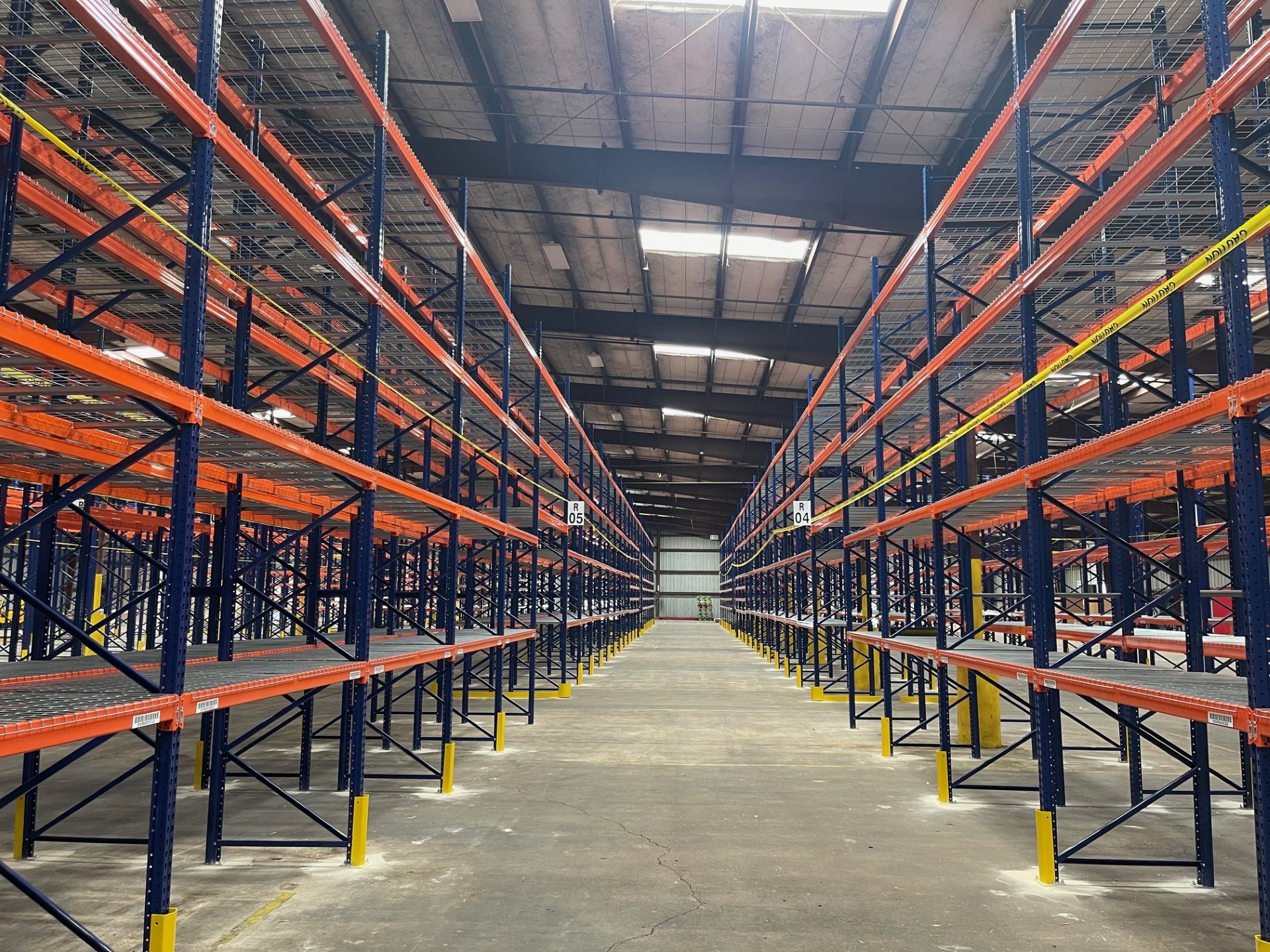
Before you load the first pallet, there’s one question too many businesses overlook: Do you need a permit for that warehouse racking?
Spoiler: In most cases, yes.
Permits aren’t just paperwork. They’re critical for safety, code compliance, and avoiding costly delays. Whether you’re opening a new facility or retrofitting an existing one, understanding when and why you need a permit is key to keeping your operation moving smoothly.
1. What is a Warehouse Racking Permit?
A warehouse racking permit issued by your local city or county building department is typically required when installing industrial storage systems over a certain height (usually 8 feet or more) or when they are attached to the building structure. It ensures that your racking layout complies with local building codes, fire safety standards, and seismic regulations (especially in states like California).
Think of it as a checkpoint that protects your investment, and your team, before anything goes vertical.
2. Why Permits Matter
Getting a permit might feel like a speed bump, but it's actually a safeguard. Without it, you risk much more than red tape. Here’s why permitting matters:
Legal Compliance: Avoid stop-work orders, fines, or forced teardown.
Employee Safety: Ensures structural integrity under load.
Insurance Protection: Many policies require documented inspections.
Smooth Inspections: Fire marshals and code inspectors will check.
Permits help align your storage system with OSHA standards and International Building Code (IBC) requirements, giving your operations legal and structural peace of mind.
3. When a Permit is Typically Required
Permits aren’t needed for every racking system, but in most cases they’re required when certain thresholds are met. If your setup includes any of the following, permitting is likely mandatory:
Your racking exceeds 8 ft. in height
You're altering an existing warehouse layout
The racking system is anchored to the floor or building
You’re installing high-piled storage that may affect sprinkler systems
The project includes structural or seismic bracing
Remember: Local codes vary, and what’s allowed in one county may be restricted in another. Always check with your local building authority, or better yet, let a turnkey team like PRS handle it for you.
4. What’s Involved in the Permit Process?
The permitting process isn’t just about filling out a form. It requires detailed documentation, technical drawings, and sometimes engineering sign-off. Here’s what’s typically required:
Site Plans and layout drawings
Load calculations
Fire code evaluations
Seismic design (if applicable)
Engineering sign-off
Permit submission + inspections
Many warehouses run into delays here, not because they’re unwilling to comply, but because they don’t have the time or expertise to manage these steps. That’s where we come in.
5. The Cost of Skipping It
Still thinking about skipping the permit? Consider the risks. Failing to permit your racking system can lead to serious consequences:
Skipping the permit process can lead to:
Stop-work orders and project delays
Fines or legal action
Increased liability if injuries occur
Needing to tear down and rebuild to code
Insurance denials in case of a claim
Permitting may seem like a formality, but it's the foundation of a safe, compliant warehouse.
Takeaway
Permitting might not be the most fun part of your warehouse buildout, but it could be the most important. Let Pallet Rack Supply handle the red tape while you stay focused on running your operation.

Ready to get started? Book a free consultation and we’ll evaluate your racking layout and help you maintain compliance


Comments